한국의
한국의


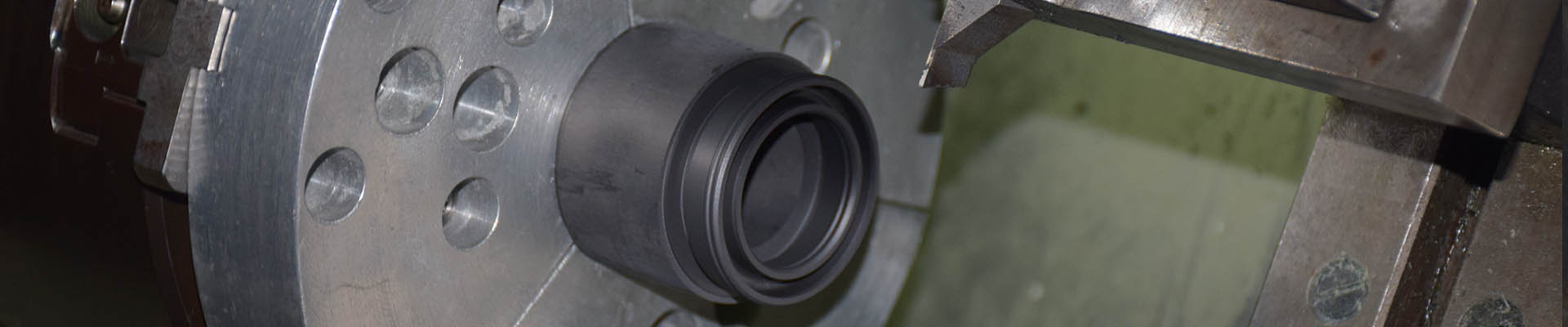
기술 개요: 유압 시스템용 PTFE 마모 링(가이드 링)
1. 적용 시나리오
PTFE(폴리테트라플루오로에틸렌) 마모 링
, 또한 다음과 같이 알려져 있습니다.
가이드 링
,
주로 유압 실린더 및 피스톤에 다음과 같은 용도로 사용됩니다.
지침을 제공하세요: 피스톤 로드를 실린더 배럴 중앙에, 피스톤을 튜브 중앙에 위치시켜 금속 간 접촉 및 정렬 불량을 방지하십시오.
방사형 하중 흡수: 피스톤 로드 또는 피스톤에 작용하는 측면 하중 및 횡력을 처리하십시오.
마찰을 줄이세요: 고압 환경에서도 부드럽고 마찰이 적은 왕복 운동을 가능하게 합니다.
일반적인 설치 사례: 피스톤 양쪽 측면과 로드 글랜드/부싱 내부에 위치합니다.
2. 주요 장점
마찰이 극히 낮음: 일반적인 고분자 소재 중 마찰 계수가 가장 낮아 시동 시에도 높은 효율성과 부드러운 움직임을 제공합니다(스틱-슬립 현상 없음).
뛰어난 내화학성: 거의 모든 유압유, 화학물질 및 용제에 대해 불활성입니다.
넓은 온도 범위: 약 -200°C에서 +260°C까지 연속 사용에 적합합니다.
마모가 적고 수명이 길다: 뛰어난 내마모성을 보여 접촉하는 금속 표면을 보호합니다.
건식 운전 기능: 윤활 없이 일시적으로 작동 가능하며, 윤활이 최소화되거나 바람직하지 않은 용도에 적합합니다.
3. 제한사항 및 부적합 조건
다음과 같은 상황에서는 PTFE 마모 링이 최적의 선택이 아닐 수 있습니다.
저속에서의 고부하(냉간 유동): 높은 연속적인 방사형 하중, 특히 저속에서 순수 PTFE는 "냉간 유동"(크리프) 현상을 일으켜 변형 및 밀봉/가이드 기능 상실로 이어질 수 있습니다.
높은 기계적 강도/강성이 요구되는 응용 분야: 순수 PTFE는 POM이나 페놀 수지와 같은 소재에 비해 상대적으로 부드럽고 기계적 강도가 낮습니다. 따라서 극도로 높은 동적 하중이 가해지는 용도나 높은 링 강성이 요구되는 용도에는 적합하지 않을 수 있습니다.
비용에 민감한 애플리케이션: 고성능 PTFE 화합물(냉간 유동성 및 내마모성을 향상시키기 위해 청동, 유리, 탄소 등으로 충전되는 경우가 많음)은 일반적으로 폴리우레탄이나 나일론과 같은 표준 폴리머 대체재보다 가격이 더 비쌉니다.
오염된 환경에서 높은 내마모성이 무엇보다 중요한 경우: PTFE는 내마모성이 우수하지만, 마모가 심한 환경(예: 단단한 입자로 오염된 환경)에서는 특수 배합된 폴리우레탄 또는 열가소성 폴리에스터(PETP) 소재가 더 뛰어난 내마모성을 제공할 수 있습니다.
극한의 모서리 하중을 동반한 초고압: 국부적인 극한 압력이 재료의 압축 강도를 초과할 수 있으므로 특별한 고려와 설계가 필요합니다.
PTFE 마모 링은 초저마찰, 넓은 온도 범위 및 화학적 호환성이 요구되는 응용 분야에서 탁월한 성능을 발휘합니다. 하중, 속도, 환경 조건 및 비용을 고려하여 사용을 신중하게 평가해야 하며, 냉간 유동성 제한을 완화하기 위해 충전재가 첨가된 PTFE 화합물이 종종 사용됩니다.

위해 우리의 제품이나 가격등에 대한 문의, 우리에게 두십시오. 우리는 24 시간 이내에 연락 할 것입니다.


 No. 1, Xinyu North Road, Ningxi Street, Zengcheng District, Guangzhou, China 511340
© 저작권: 2026 Guangzhou JST Seals Technology Co., Ltd. 판권 소유.